SINCE 2010
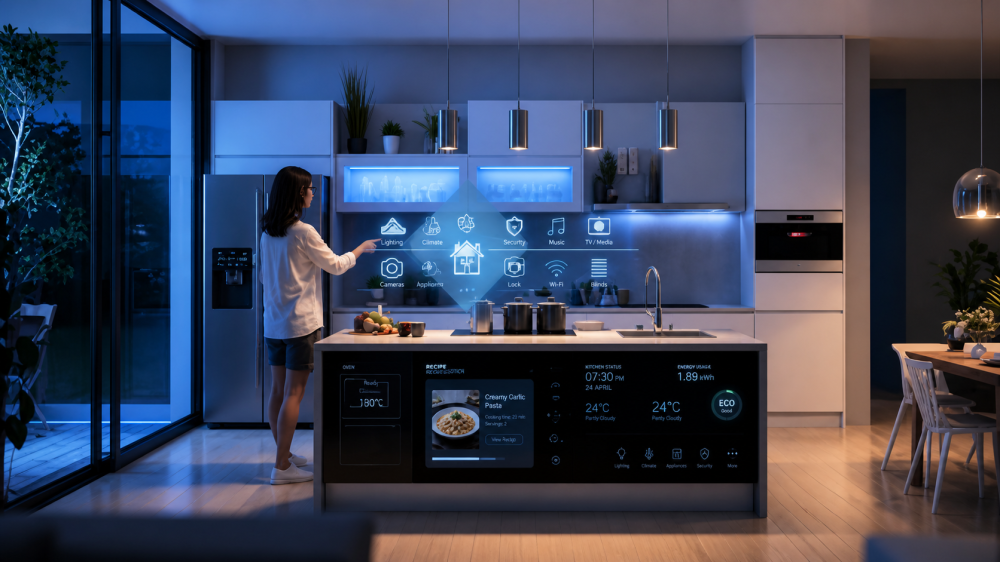
The modern kitchen is no longer just a place for cooking it is rapidly evolving into an intelligent, connected space that combines convenience, efficiency, and safety. With the integration of advanced technologies such as Artificial Intelligence (AI), the Internet of Things (IoT), and automation systems, the concept of a smart kitchen is transforming everyday living. These innovations are not only simplifying household tasks but also enhancing safety and energy efficiency, making kitchens smarter and more secure than ever before.
A smart kitchen is built on interconnected devices that communicate with each other and can be controlled remotely through smartphones or voice assistants. From smart refrigerators and ovens to automated lighting and sensor-based appliances, these technologies enable users to manage their kitchen environment with ease. This level of control allows for better organization, time management, and resource utilization.
One of the most significant advantages of smart kitchen technology is automation and convenience. Smart appliances can perform tasks with minimal human intervention. For example, smart ovens can be preheated remotely, while intelligent coffee machines can prepare beverages at scheduled times. Voice-controlled assistants allow users to operate appliances, set timers, and access recipes without interrupting their workflow. This seamless integration of technology simplifies daily routines and enhances productivity.
In addition to convenience, safety is a major focus in smart kitchens. Traditional kitchens are prone to risks such as gas leaks, fire hazards, and electrical issues. Smart kitchens address these concerns through advanced safety features. Sensors can detect gas leaks or smoke and immediately trigger alarms or shut off the gas supply. Smart induction cooktops automatically turn off when not in use, reducing the risk of accidents. These features provide an added layer of protection, especially in households with children or elderly members.
Another key innovation is the use of Artificial Intelligence (AI) in kitchen appliances. AI-enabled systems can learn user preferences, suggest recipes, and optimize cooking processes. For instance, smart refrigerators can monitor food inventory, recommend meals based on available ingredients, and even notify users when items are about to expire. This not only improves efficiency but also helps reduce food waste.
The integration of the Internet of Things (IoT) allows all kitchen devices to function as part of a unified system. This connectivity enables real-time monitoring and control, ensuring that appliances work together seamlessly. For example, a smart kitchen system can adjust lighting and ventilation automatically when cooking begins, creating a comfortable and efficient environment.
Energy efficiency is another important benefit of smart kitchens. Advanced appliances are designed to consume less energy while delivering optimal performance. Smart systems can monitor energy usage and provide insights to help users reduce consumption. Automated lighting and energy-saving modes further contribute to sustainability, making smart kitchens environmentally friendly.
Hygiene and cleanliness are also enhanced through technology. Touchless faucets, automated dishwashers, and self-cleaning appliances reduce the need for manual handling, minimizing the spread of germs. In a world where health and hygiene are increasingly important, these features add significant value to modern kitchens.
Despite these advantages, user awareness and responsible usage remain essential. While smart technologies offer numerous benefits, they must be used correctly to ensure safety and efficiency. Regular maintenance, timely software updates, and proper handling of devices are necessary to prevent malfunctions and security risks.
Cybersecurity is another aspect that cannot be ignored. As kitchen appliances become connected to the internet, they may be vulnerable to cyber threats. Securing home networks, using strong passwords, and updating device software are important steps in protecting these systems. Awareness of digital safety ensures that convenience does not come at the cost of security.
Smart kitchens also contribute to better lifestyle management. With features such as meal planning, calorie tracking, and automated grocery lists, users can maintain healthier eating habits. Integration with mobile applications allows for better organization and planning, making daily life more efficient.
Looking ahead, the future of smart kitchens is filled with exciting possibilities. Innovations such as robotic cooking assistants, AI-driven nutrition planning, and fully automated kitchens are already being developed. These advancements will further transform the way people interact with their kitchen spaces, making them more intelligent and responsive.
In conclusion, smart kitchen technology represents a significant step forward in modern living. By combining automation, safety, energy efficiency, and connectivity, it creates a more convenient and secure cooking environment. However, the true potential of these technologies can only be realized through proper awareness and responsible use. As smart kitchens continue to evolve, they will play a vital role in shaping a safer, smarter, and more sustainable future.






Copyright © 2024 - All Rights Reserved - Vision Media Hitech Pvt. Ltd.
Designed by VMH Web Solutions