SINCE 2010
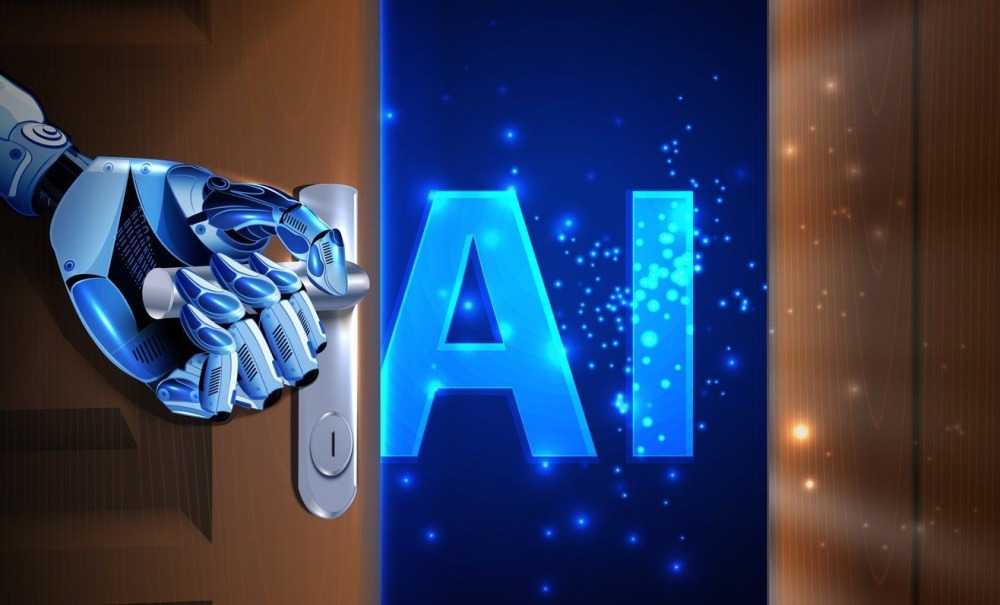
Artificial Intelligence (AI) is rapidly transforming modern living, especially in the way we secure our homes and residential communities. With the rise of smart homes and digitally connected societies, traditional security systems are being replaced or enhanced by intelligent technologies that offer greater efficiency, accuracy, and convenience. While AI brings significant advantages, it also requires awareness and responsible use to ensure safety, privacy, and trust.
AI-based security systems operate by analyzing data, recognizing patterns, and making decisions in real time. Unlike conventional systems that rely heavily on human monitoring, AI can independently detect unusual activities and trigger alerts. This capability makes it highly effective in preventing incidents before they escalate. In residential settings, AI is increasingly being integrated into surveillance systems, access control, and even emergency response mechanisms.
One of the most prominent applications of AI in security is intelligent surveillance. Modern CCTV cameras equipped with AI can do more than just record footage—they can identify faces, detect motion, and differentiate between normal and suspicious behavior. For example, AI systems can recognize if a person is loitering in a restricted area or attempting unauthorized access. This reduces false alarms and allows security personnel to focus on real threats.
AI also enhances access control systems in residential societies. Traditional methods such as manual entry registers are gradually being replaced by automated solutions like facial recognition, biometric authentication, and smart access cards. These technologies ensure that only authorized individuals can enter the premises, improving both security and convenience. Residents can also manage visitor access remotely through mobile applications, adding another layer of control.
Another important advantage of AI is its role in predictive security. By analyzing historical data and patterns, AI systems can identify potential risks before they occur. For instance, if unusual activity is detected repeatedly in a specific location, the system can generate alerts and recommend preventive measures. This proactive approach helps in minimizing risks and enhancing overall safety.
In addition to physical security, AI plays a vital role in cybersecurity within smart homes. As homes become more connected with devices such as smart TVs, doorbells, and home assistants, the risk of cyber threats increases. AI-powered cybersecurity systems can monitor network activity, detect suspicious behavior, and respond to potential threats in real time. This helps protect personal data and ensures the integrity of connected devices.
Despite its many benefits, the use of AI in security also raises privacy concerns. AI systems often rely on continuous monitoring and data collection, which can lead to misuse if not properly managed. Residents must be aware of how their data is being collected, stored, and used. Choosing trusted service providers, enabling privacy settings, and limiting unnecessary data sharing are essential steps in maintaining privacy.
User awareness and education are critical for the effective use of AI-based security systems. Technology can only be effective when users understand how to operate it correctly. Residents should be familiar with system features, know how to respond to alerts, and ensure regular maintenance of devices. Simple practices such as updating software, securing Wi-Fi networks, and using strong passwords significantly enhance security.
AI also contributes to community-level safety in residential societies. Centralized AI systems can monitor common areas, manage visitor entries, and assist security personnel with real-time information. This creates a more coordinated and efficient security environment. For example, if an incident occurs, AI systems can quickly provide relevant data, helping authorities respond faster and more effectively.
Another key benefit of AI is its ability to reduce human error. Manual monitoring can sometimes lead to oversight due to fatigue or distraction. AI systems, on the other hand, operate continuously without interruption, ensuring consistent performance. However, it is important to remember that AI should complement human efforts rather than replace them entirely.
The integration of AI in security also supports emergency response and management. In case of fire, intrusion, or medical emergencies, AI systems can automatically detect the situation and send alerts to residents, security staff, and emergency services. This quick response capability can significantly reduce damage and save lives.
To fully benefit from AI in security, it is important to adopt a balanced and responsible approach. Over-reliance on technology without proper understanding can create vulnerabilities. Similarly, ignoring technological advancements can leave gaps in security. The key is to combine AI capabilities with human awareness, vigilance, and cooperation.
Residential societies should also focus on regular evaluation and improvement of their security systems. This includes updating technologies, conducting awareness sessions, and encouraging feedback from residents. A proactive approach ensures that the system remains effective against evolving threats.
In conclusion, AI is revolutionizing home and community security by offering smarter, faster, and more reliable solutions. From intelligent surveillance and access control to predictive analysis and cybersecurity, AI enhances every aspect of safety. However, its effectiveness depends on how well it is understood and used. By combining advanced technology with awareness and responsible practices, residents can create a secure, efficient, and future-ready living environment.






Copyright © 2024 - All Rights Reserved - Vision Media Hitech Pvt. Ltd.
Designed by VMH Web Solutions